If your jaw clicks, aches, or tightens whenever life gets busy, you have probably searched for TMJ therapy more than once. Between the soreness and the worry about it, jaw pain can take up a surprising amount of your day. Many people also notice that it flares when they are tired, anxious, or holding a lot together, like clenching through a stressful meeting or a restless night.
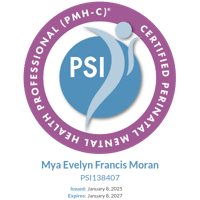
Counselling cannot repair a jaw joint, and it is not a diagnosis. What it can do is round out your TMJ therapy by helping with the stress, tension, and worry that keep jaw pain going. At Mindful Steps Therapy in Markham, Ontario, that support comes through virtual sessions with Mya Moran, HBSc, MDiv, RP, PMH-C.
What Is TMJ Syndrome, and Why Does Your Jaw Hurt?
Your temporomandibular joints sit on either side of your face, just in front of your ears, and work like sliding hinges. When people say they have TMJ, they usually mean a temporomandibular disorder (TMD), which is a group of conditions affecting the jaw joint and the muscles used for chewing. The National Institute of Dental and Craniofacial Research (NIDCR) estimates that about 5% of adults in the U.S. live with a TMD, and it is at least twice as common in women as in men. National Institute of Dental and Craniofacial Research
Common signs include a sore jaw, aching around the ear, headaches near the temples, and trouble chewing. TMJ ear pain and a TMJ headache are easy to mistake for other problems, which is one reason a proper assessment matters. A painless click on its own is common and usually needs no treatment. National Institute of Dental and Craniofacial Research
The cause is often unclear. Research suggests genes, injury, life stressors, and the way your nervous system processes pain may all play a part. Mayo Clinic also lists conditions such as fibromyalgia and certain connective tissue diseases among the factors linked to TMJ disorders. National Institute of Dental and Craniofacial ResearchMayo Clinic
How Stress, Anxiety, and Jaw Clenching Feed Each Other
The Clenching You May Not Notice
Many people clench their jaw while concentrating, driving, or scrolling, and grind their teeth at night without knowing it. Clenching keeps the chewing muscles switched on. Tired muscles ache, aching is stressful, and stress tightens the jaw again. Anxiety makes this loop easier to start, because the body braces whenever it senses a threat. Mayo Clinic lists stress and anxiety among the risk factors for TMJ disorders. If worry is a big part of your picture, online anxiety therapy can address that side directly. Mayo Clinic
Pain That Keeps Your Nervous System on Alert
Ongoing pain asks your body to stay vigilant. You might brace before meals, avoid yawning, or lie awake waiting for the ache to start. That vigilance is exhausting, and it can make every twinge feel bigger. It is one reason many people turn to counselling as part of their TMJ therapy.
How Counselling Works as TMJ Therapy
Counselling-based TMJ therapy does not change the joint itself. It gives you tools for the tension, the habits, and the worry around it. Mya’s approach combines mindfulness and somatic therapy, two ways of working with the body that suit jaw pain well.
Mindfulness Tools for Learning How to Stop Clenching Your Jaw
You cannot loosen a habit you have not noticed. Mindfulness trains you to catch the moment your teeth touch, your tongue presses upward, or your shoulders creep toward your ears. Once you notice, you can try a resting position often taught for jaw care: lips together, teeth apart, tongue resting softly. The same awareness may also help with how to stop clenching your jaw at night, since a calmer evening routine often means a less guarded body.
Somatic Therapy for Tension Held in the Body
Somatic work is a gentle form of TMJ therapy that uses body awareness to understand where tension collects and how it eases. Mya trained in Integrative Somatic Therapy Practice, so sessions can include slow, curious attention to the jaw, neck, and breath alongside conversation. Nothing is forced. You set the pace, and the goal is to teach your body that it is safe to soften.
Support for Pain Flares and the Worry Around Them
Flares can bring frustration, a fear of eating out, and the sting of being told it is just stress. Good TMJ therapy makes room for the hard days, too. Counselling gives you a place to say all of that out loud and to build a plan for them. For many people, TMJ relief comes from several small changes working together, and feeling heard is part of that. Our post on chronic illness and grief is a gentle read if that sounds familiar.
Chronic Illness Therapy When Jaw Pain Is Part of a Bigger Picture
Jaw pain often travels with other health concerns, and TMJ therapy looks different when it is one of several. Joint hypermobility conditions such as Ehlers-Danlos syndrome (EDS) can involve the jaw, and TMDs can also appear alongside headaches, sleep problems, and fibromyalgia. Chronic illness therapy at Mindful Steps looks at that whole experience, including EDS-informed support, so you do not have to explain your history from scratch. National Institute of Dental and Craniofacial Research
Self-Advocacy and Coping With Medical Appointments
Managing a health condition can feel like a second job. There are referrals to chase, calendars to juggle, and a lot of waiting. Counselling can help you build practical tools for this side of life, such as writing down your priorities before a visit, putting your symptoms into words, and speaking up when you feel rushed or unheard. Whatever TMJ therapy path you are on, those skills travel with you into every appointment.
Making Room for Loss and for Rest
Pain changes what your days can hold, and that can bring grief for the way things used to be. Sessions give that grief somewhere to land. They also offer a quiet hour where nothing is asked of you except to arrive, breathe, and be heard. Many people find that this pause gives them a little more energy, a steadier sense of their own footing, and a clearer picture of what living well can look like with the body they have.
What to Expect From Virtual Therapy in Markham and Across Ontario
Sessions take place online, so you can attend from home, which is a real relief during a flare. Mya works from Markham and offers online counselling to clients across Ontario. A first session usually covers how jaw pain shows up in your day, what TMJ therapy you have tried so far, and what you hope will change. If you are new to counselling, our guide to things to consider before starting therapy covers the practical questions. From there, you and Mya set the pace together.
When to Reach Out for Support
Consider counselling if you are skipping meals or social plans because of jaw pain, if clenching continues despite your TMJ therapy, or if worry about pain takes up much of your day. See a doctor or dentist promptly if your jaw locks, you cannot open or close it fully, or the pain comes on suddenly and stays. Counselling is a good companion to that kind of assessment, and you do not need to wait for one to start.
Take One Gentle Step Toward Jaw Pain Relief
TMJ therapy through counselling looks after the part of jaw pain that lives in your stress, your habits, and your nervous system. If you would like that support, Mindful Steps Therapy offers virtual counselling for TMJ and chronic pain with Mya Moran, HBSc, MDiv, RP, PMH-C. Healing happens one step at a time, and the first one can be a short message to ask about a first session.